
The highlighted projects here show our lab’s most recent work as well as some of our foundational efforts. Scroll down for olllllder projects.
🐊 HCCML
Human labeling may be the least understood step in the machine learning workflow. Interactive ML aims to find the balance between label quality, quantity, and model performance. Our project is exploring new interaction spaces for annotating plant root images.
In collab with Co-PIs Alina Zare (UF), Kathryn A. Stofer, and Jeremy Waisome (UF).
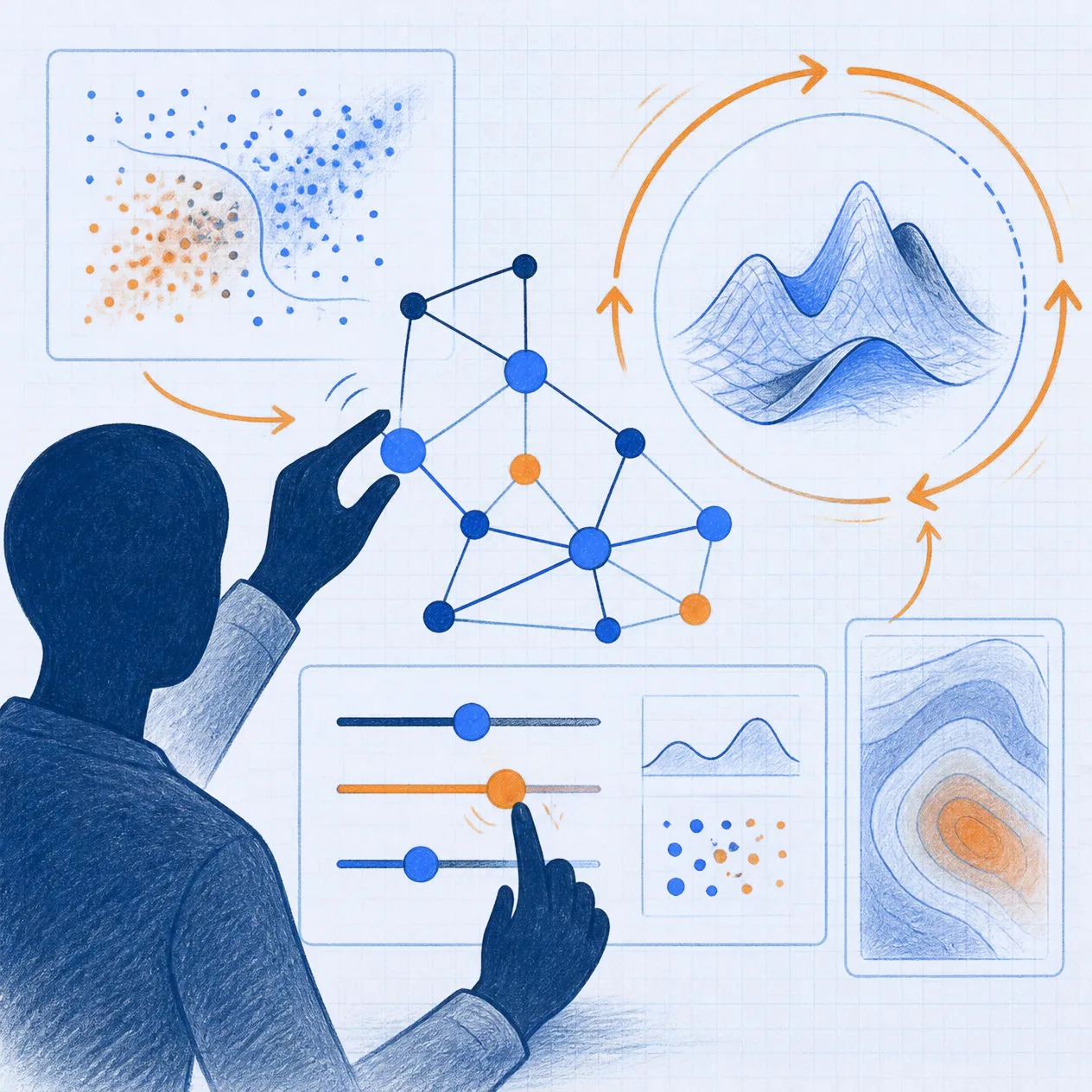
human-AI partnership; intelligent systems; interactive machine learning; funded by NSF
🐊 MyTrack+
Though medical advice emphasizes healthy weight maintenance, we can’t provide every person with a dedicated food and activity coach. Mobile health interventions could assist both the coaches and the patients. Our group is interested in how the increased support that is potentially enabled by genAI might improve clinicians’ capacity and patients’ overall health outcomes.
In collab with Co-PIs Kathryn Ross (Advocate Health) and Jaime Ruiz (UF).
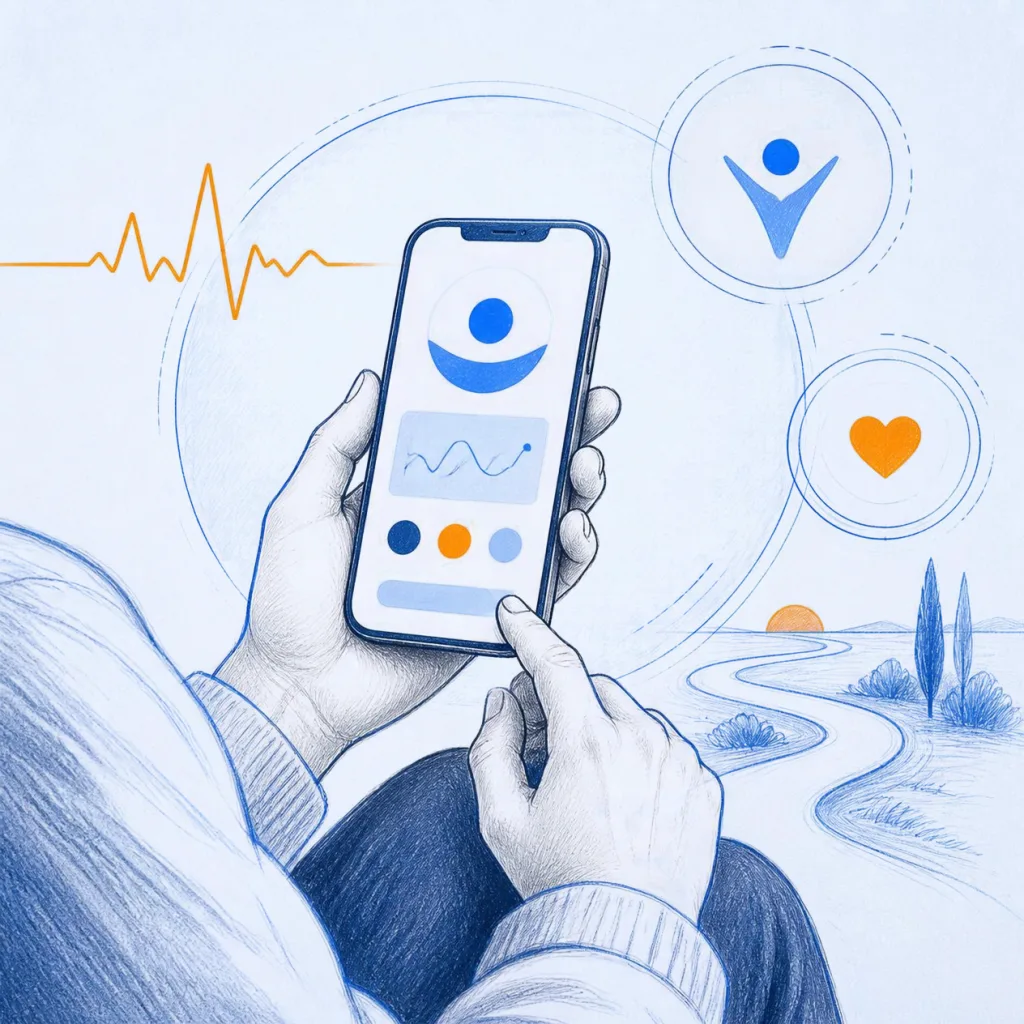
human-AI partnership; user-centered design; mHealth; health coaching; weight maintenance; funded by NIH
🐊 ENKIx
Some users need to perform tasks in high-stakes, complex, urgent environments. Providing automated task assistance becomes a challenging design problem: which modalities of input and/or output should be considered? How should they be used? How should they be designed? We continue to ask these questions in human-AI partnership.
In collab with PI Jaime Ruiz (UF).
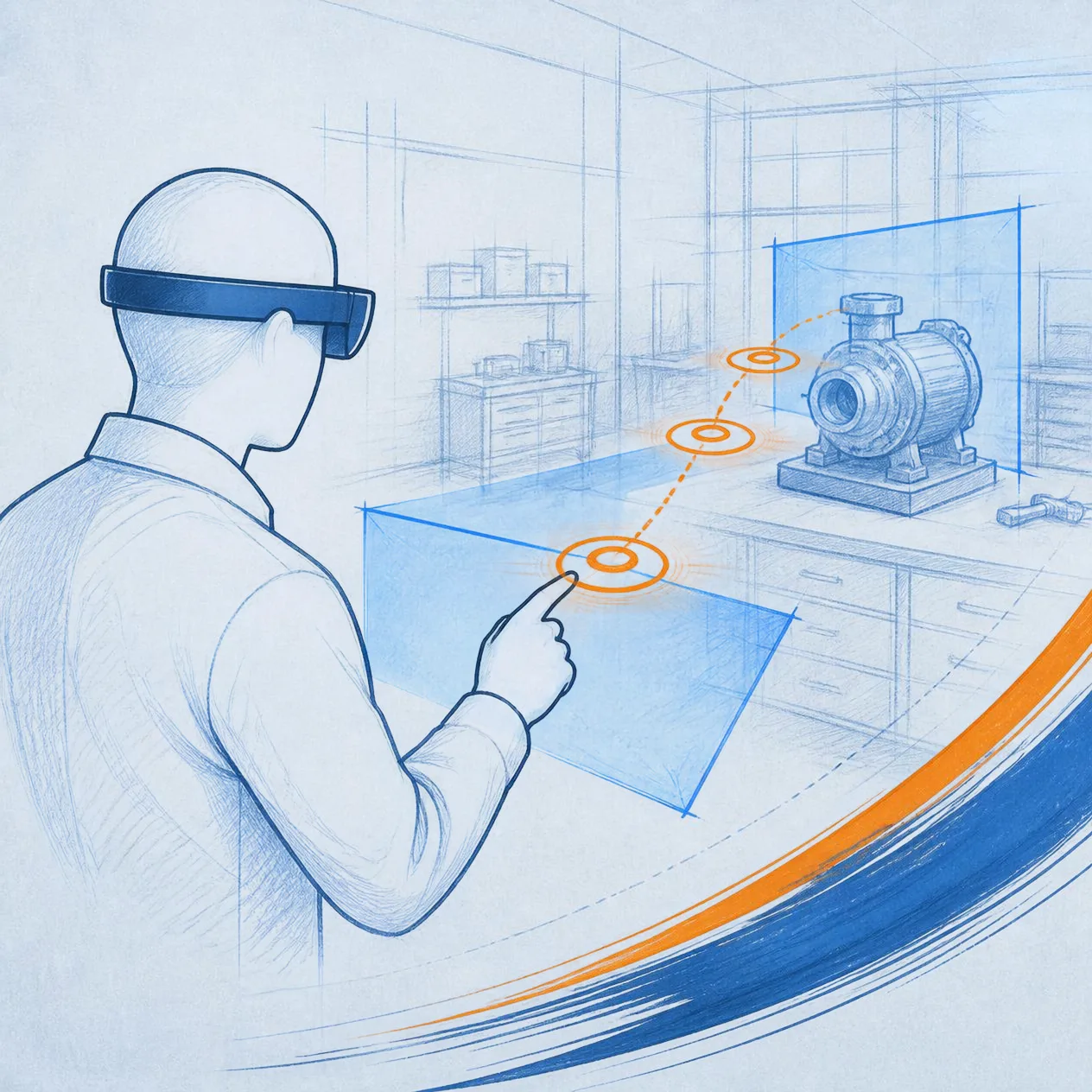
human-AI partnership; intelligent systems; emerging interaction paradigms; user-centered design; funded by DARPA
🐊 TIDESS
New technologies often offer rich opportunities to explore new interaction paradigms. We studied how state-of-the-art 3D interactive spherical displays might support or hinder learning and engagement with data. In science museums, we prototyped experiences that let us ask how child and adults interacted with the system, with the data, and with each other.
In collab with Kathryn Stofer.
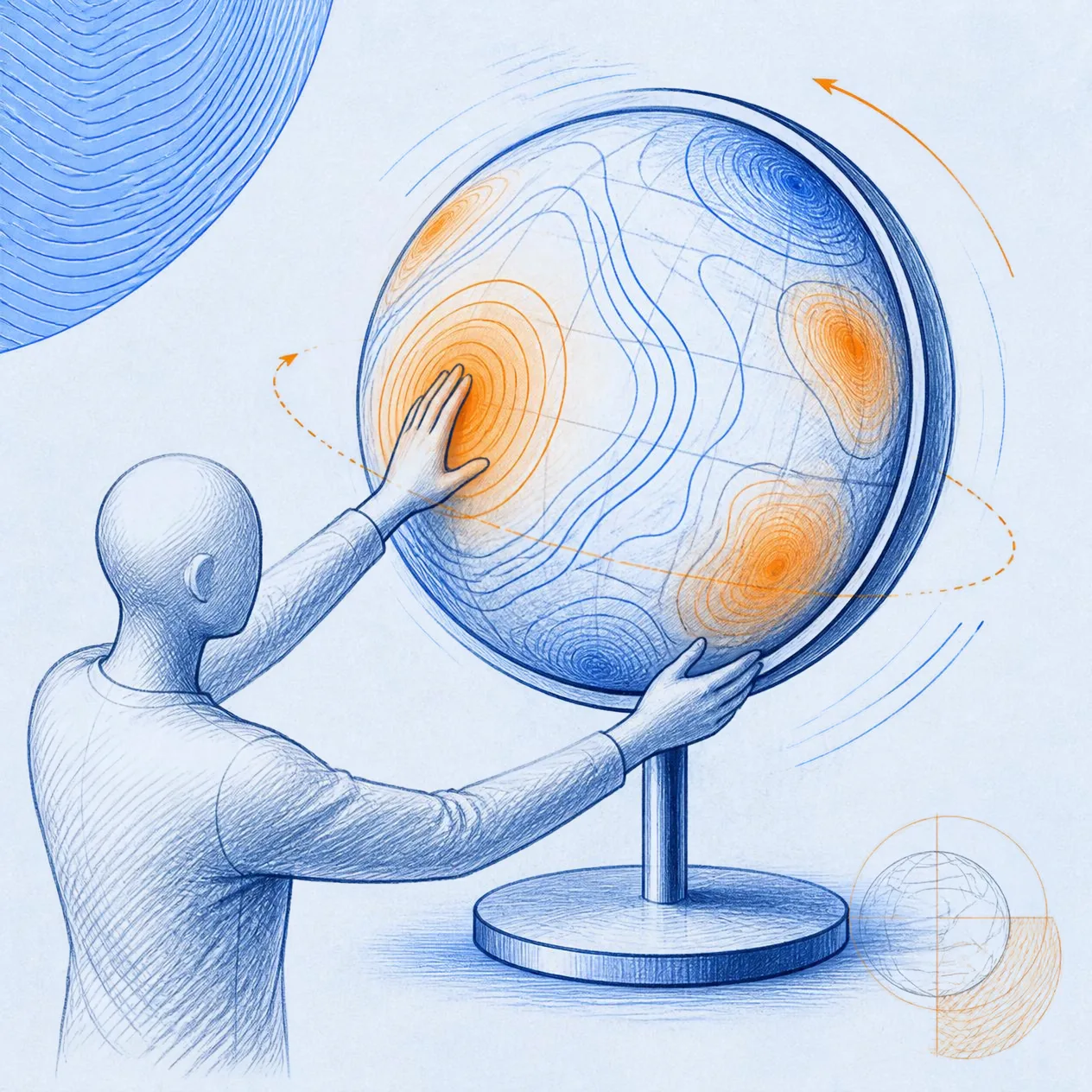
emerging interaction paradigms; child-computer interaction; user-centered design; science learning; funded by NSF
🐊 MTAGIC
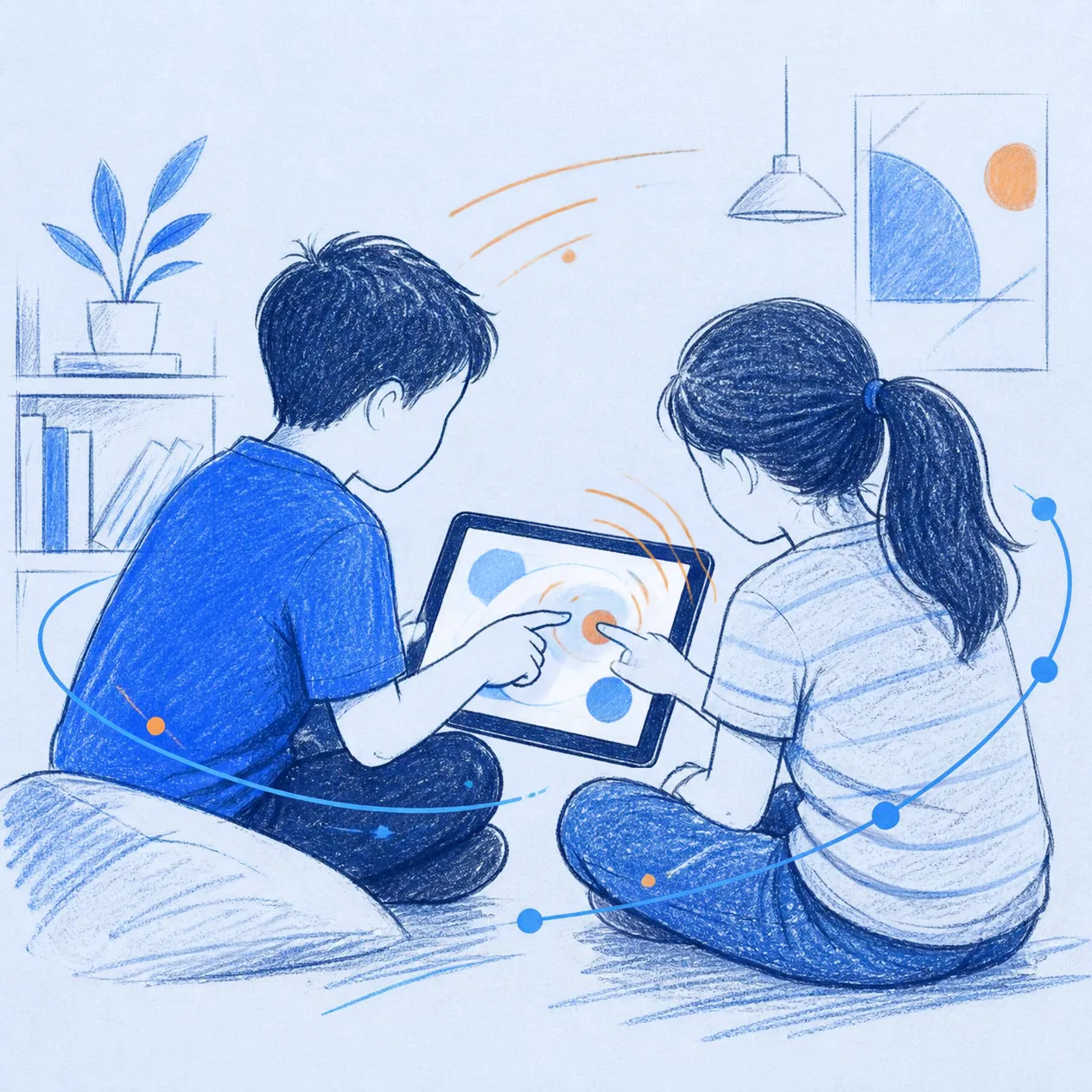
“Children are not just little adults.” But most computing technology has been designed without much thought to child users. When touchscreens became the dominant interaction paradigm, our lab was the first to quantify how children differ in using 2D touch and gesture interactions and the effects on system recognition and responses.
In collab with Quincy Brown (Bowie State University).
emerging interaction paradigms; child-computer interaction; handwriting; gestures; funded by NSF
🐊 $-family + toolkits
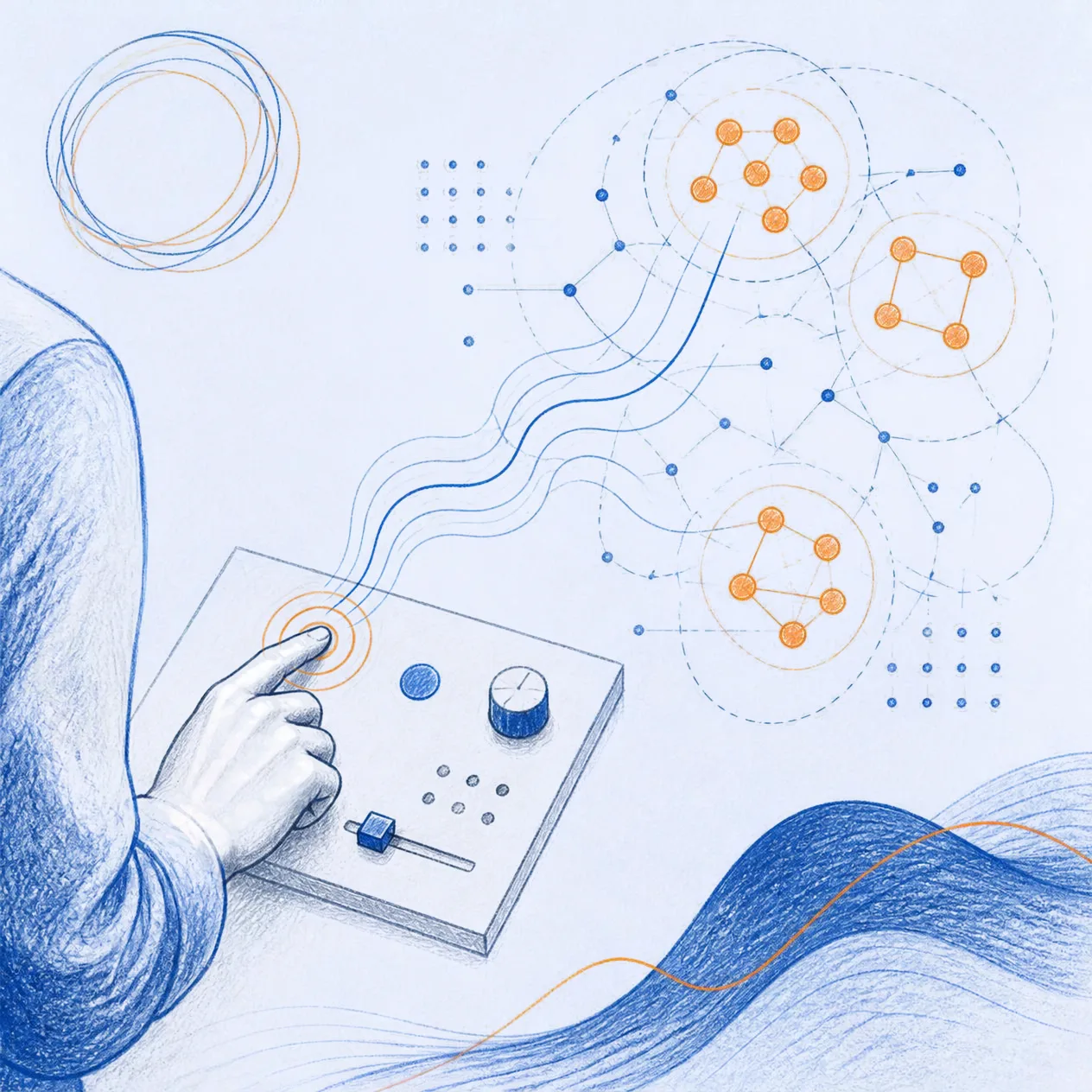
Prototyping gesture interaction wasn’t so easy when mobile touchscreens were new. If you wanted to test a new set of interactive gestures with a new set of users, you would have to have a lot of data and ML expertise. My colleagues and I wanted to change that: develop algorithms that made it easier to try things out. We also developed tools to visualize gesture input to help with understanding human gestures in order to build better gesture recognizers.
In collab with Jacob O. Wobbrock (UW) and Radu-Daniel Vatavu (Romania).
emerging interaction paradigms; intelligent systems; datasets; handwriting; gestures; funded in part by NSF
Read about some of our other prior projects here … –> Project Archive
Last revised Oct 2026. Graphical sketches generated with Canva AI.